
Home value
Tub vs. walk-in shower: which adds more home value?
By Wilmington Bathroom Remodel · · 8 min read
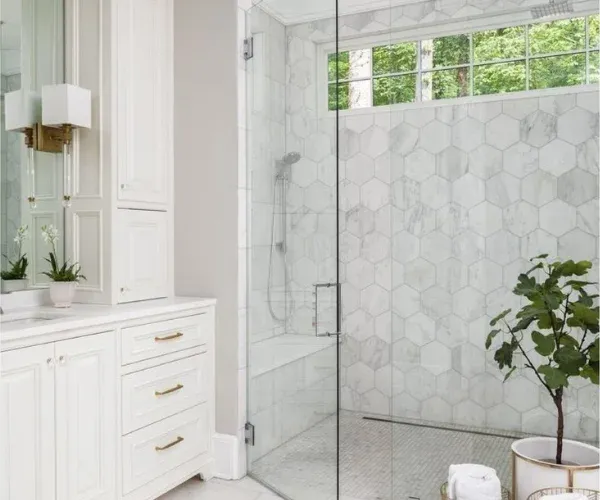
When comparing tub vs. walk-in shower home value, the best choice depends on your bathroom count, how you use the space, and the type of buyer your home may appeal to.
If your bathtub rarely gets used, feels difficult to step over, or simply no longer fits the way you live, replacing it with a walk-in shower can be an appealing upgrade.
But many Wilmington homeowners hesitate for one reason:
Will removing the tub hurt my home’s value?
The answer depends on your home, your bathroom count, and how the rest of the property is configured.
In many cases, replacing an underused tub with a well-designed walk-in shower can improve everyday function and make the bathroom feel more modern. But removing the only bathtub in the home may make the property less practical for some buyers, especially families with young children.
The best choice is usually the one that improves how the home functions without unnecessarily limiting future flexibility.
Quick answer: does a tub or walk-in shower add more value?
A walk-in shower can be a worthwhile upgrade, particularly when the home already has another bathtub.
Walk-in showers often appeal to homeowners who prioritize:
- Easier access
- Lower maintenance
- A more open layout
- Modern design
- Aging-in-place features
- Better use of bathroom space
Bathtubs still have advantages, especially for families with young children or homeowners who simply prefer bathing.
That’s why the number and location of tubs in the home matter more than following a single remodeling trend.
If your home has multiple bathrooms and at least one bathtub will remain, converting another tub into a walk-in shower is often a practical way to improve everyday usability without eliminating that option completely.
Does a walk-in shower add value to your home?
A well-designed walk-in shower can increase the appeal and functionality of a bathroom.
For many homeowners, the value comes from improving the way the room is used every day.
A walk-in shower may offer:
- Easier entry and exit
- More usable shower space
- A cleaner, more open appearance
- Better accessibility
- More storage options
- Modern fixtures
- Lower-maintenance surfaces
These improvements can make a bathroom more attractive to future buyers, but there’s no universal dollar amount or guaranteed return associated with replacing a bathtub.
The overall condition of the home, quality of the renovation, local buyer preferences, and whether another bathtub remains all matter.
Does removing a tub hurt resale value?
It can in some situations.
The biggest consideration is whether you’re removing the only bathtub in the home.
Some buyers still consider a tub important, especially:
- Families with babies or young children
- Buyers who personally enjoy baths
- Buyers who want flexibility in a secondary bathroom
- Some long-term rental property owners
If the home already has another bathtub, removing one in favor of a walk-in shower may be less of a concern.
For example, many homeowners choose to keep a tub in a guest or secondary bathroom while converting the primary bathroom to a larger walk-in shower.
That approach preserves options while improving the bathroom used most often.
When a walk-in shower makes the most sense
A walk-in shower may be a strong choice if your existing bathtub is rarely used or has become inconvenient.
Consider a tub-to-shower conversion if:
- You rarely take baths
- Stepping over the tub wall has become difficult
- You want more room inside the shower
- You prefer a more modern bathroom design
- You want easier-to-clean surfaces
- Accessibility is becoming more important
- The existing tub or surround is outdated
- You’re planning to remain in the home long term
In a primary bathroom, these improvements can have a noticeable effect on comfort and usability.
If another bathtub remains elsewhere in the home, you may be able to gain those benefits without giving up the flexibility of having a tub altogether.
When keeping a bathtub may be better
A walk-in shower isn’t automatically the right choice for every bathroom.
You may want to keep the existing tub if:
- It’s the only bathtub in the home
- Young children regularly use it
- You use the tub frequently
- The current layout works well
- You don’t need additional shower space
- Future buyer flexibility is a major concern
There’s no reason to remove a functional bathtub simply because walk-in showers are popular.
The best bathroom layout is the one that fits the household using it.
What we see in Wilmington homes
Wilmington has a wide variety of housing, including older homes, coastal properties, newer developments, vacation homes, and primary residences.
That means homeowners often have very different priorities.
Some want a bathroom that will be easier to use as they age.
Others want to modernize an outdated primary bathroom while keeping a bathtub for children or guests.
Second-home owners may prioritize easy maintenance and durable surfaces.
For many Wilmington homes, the practical middle ground is:
Keep a bathtub where it serves a purpose and use a walk-in shower where it improves function.
That gives homeowners the benefits of a modern shower without eliminating the flexibility of having a tub elsewhere in the house.
Think beyond resale value
Resale is one factor in your decision.
A bathroom is something you use every day.
If replacing an unused bathtub gives you a shower that’s safer, easier to clean, and more comfortable, that improvement has value long before you ever sell the home.
Ask yourself:
- How often do we actually use this bathtub?
- Is there another tub elsewhere in the house?
- How long do we plan to stay in the home?
- Is accessibility becoming more important?
- Would a larger shower improve our daily routine?
- How much maintenance do we want?
- Would removing the tub improve the overall layout?
These questions usually lead to a better decision than simply choosing whichever option is currently more popular.
Coastal construction matters in Wilmington
In Wilmington, what goes behind the finished shower matters just as much as the tile and fixtures you see.
Bathrooms are exposed to moisture and high humidity, so a quality shower conversion should include careful attention to:
- Waterproofing
- Proper drainage
- Shower pan slope
- Moisture-resistant materials
- Appropriate tile and setting materials
- Ventilation
- Sealed transitions
- Properly installed plumbing fixtures
These details may not be immediately visible when the remodel is finished, but they play an important role in how well the shower performs over time.
A beautiful shower built over poor waterproofing isn’t a good long-term investment.
Walk-in shower features worth considering
If you decide to replace your tub, the new shower can be customized around your space and priorities.
Popular options include:
- Low-threshold shower entries
- Slip-resistant flooring
- Built-in benches
- Fold-down seating
- Recessed niches
- Handheld showerheads
- Rainfall showerheads
- Grab bars
- Frameless glass
- Large-format tile
- Mosaic shower floors
- Grout-free wall systems
- Easy-to-reach controls
Accessibility features can also be incorporated into the overall design without making the bathroom look institutional.
What about a tub-to-shower conversion?
A tub-to-shower conversion is exactly what it sounds like: removing an existing bathtub and redesigning that area as a shower.
Depending on the bathroom, the new shower may include:
- Custom tile
- Grout-free wall panels
- Glass doors
- Built-in storage
- Seating
- Grab bars
- Updated plumbing fixtures
- Slip-resistant flooring
- Lower shower entry
The biggest advantage is that the new shower can be designed around how you actually use the bathroom.
If your tub currently takes up space without providing much value, a conversion can make that area considerably more useful.
Should you avoid one-day tub-to-shower conversions?
Speed alone shouldn’t determine which remodeling approach you choose.
Some shower systems are designed for faster installation, while custom tile showers and more involved conversions naturally require additional preparation and finish work.
Ask about the prep work behind the finished surfaces first. That work decides how well the shower holds up.
Before hiring a contractor, ask about:
- Demolition
- Existing moisture damage
- Plumbing work
- Shower pan preparation
- Waterproofing
- Drainage
- Wall preparation
- Material installation
- Finish work
A slightly longer installation may make sense if the project involves more complete preparation and customization.
Should you keep at least one tub?
For many homes, keeping at least one bathtub is a sensible approach.
If your home has two or more bathrooms, you may decide to:
- Keep a bathtub in the secondary bathroom
- Convert the primary bathroom tub into a walk-in shower
- Preserve bathing flexibility for children or guests
- Gain the comfort and convenience of a larger shower
This can give you the best of both options.
You improve the bathroom you use most often while maintaining a tub elsewhere in the home.
Tub vs. walk-in shower: which is better for aging in place?
If long-term accessibility is a priority, a walk-in shower will often provide more flexibility than a traditional bathtub.
Features such as:
- Low-threshold entry
- Grab bars
- Shower seating
- Handheld fixtures
- Slip-resistant flooring
- Wider openings
can make the shower easier to use as mobility needs change.
That doesn’t mean every homeowner needs to remove their tub immediately.
But if you’re already remodeling and expect to remain in the home for many years, accessibility is worth considering during the design process.
Tub vs. walk-in shower: which is easier to maintain?
This depends heavily on the materials.
A walk-in shower can be designed for relatively simple maintenance using features such as:
- Large-format tile
- Fewer grout lines
- Solid-surface wall panels
- Recessed storage
- Easy-to-clean glass
- Proper ventilation
Traditional tubs can also be easy to maintain when they’re in good condition.
The main advantage of remodeling is that you can choose surfaces and layouts specifically around your maintenance preferences.
So, which adds more home value?
There’s no universal winner in the tub vs. walk-in shower home value debate.
A walk-in shower can improve the usability, appearance, and accessibility of a bathroom, especially when another bathtub remains somewhere else in the home.
Keeping a bathtub can make sense when it’s the only one available or when it serves an important purpose for the household.
For most homeowners, the better question is:
Which layout makes this bathroom more useful without creating a disadvantage elsewhere in the home?
That’s usually a better guide than simply following a remodeling trend.
Considering a tub-to-shower conversion in Wilmington, NC?
If your existing bathtub is rarely used, difficult to enter, outdated, or taking up space you’d rather use differently, a tub-to-shower conversion may be worth considering.
Wilmington Bathroom Remodel can help you explore the layout, waterproofing, tile, storage, fixtures, accessibility features, and other options available for your bathroom.
Learn more about tub-to-shower conversions
Whether you already know what you want or are still deciding between a bathtub and walk-in shower, we can help you understand what makes sense for your space.